
Burned by a Nextdoor Contractor Recommendation in Kansas City, Here Is How to Protect Yourself Next Time
August 11, 2026
A Kansas City homeowner lost $4,200 to a Nextdoor-recommended contractor in 2026. Here is the verification process and payment structure that would have prevented it.
Burned by a Nextdoor Contractor Recommendation in Kansas City, Here Is How to Protect Yourself Next Time
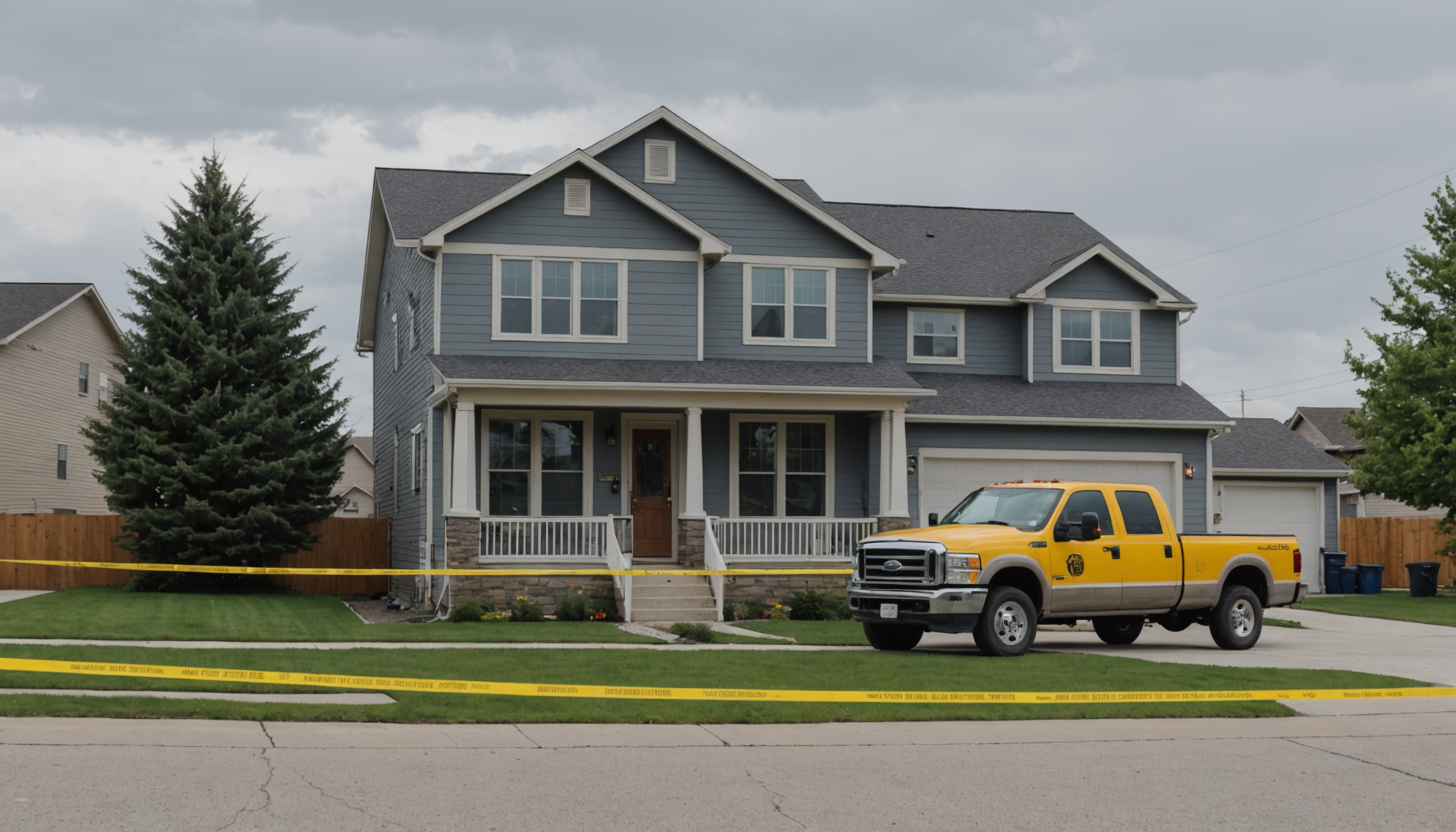
A Kansas City homeowner paid $4,200 upfront to a handyman recommended on Nextdoor in spring 2026. The contractor cashed the check, showed up twice, and stopped returning calls before the bathroom tile was half-finished.
This is not an edge case. It is the predictable outcome of a referral system that was never designed to vet anyone. Nextdoor is a neighborhood social network. Its contractor recommendations are word-of-mouth from people who may have hired someone once, for a different job, years ago. That is the whole system. No license check, no insurance verification, no payment protection if the work goes sideways. The platform's value is community connection, not contractor accountability, and conflating the two is where homeowners get hurt.
The position here is direct: a neighbor's Nextdoor post is not a hiring credential, and treating it like one is a choice that costs Kansas City homeowners real money. If you want to use social recommendations as a starting point, fine. But you need a second layer of verification before any money changes hands.
What a Nextdoor Recommendation Actually Tells You
When a neighbor posts "Mike did great work on my deck," you are getting one data point: Mike completed one job to one person's satisfaction. You do not know whether Mike holds a current Missouri contractor license (required for most work over $500 under RSMo 326.010), whether he carries general liability insurance, whether he pulled permits for that deck, or whether the deck will pass inspection if you ever sell your house.
The neighbor is not lying. They probably had a fine experience. But a single positive review from someone who is not a licensed inspector, does not know your specific project scope, and has no financial stake in your outcome is a thin basis for a four-figure commitment.
Angi, HomeAdvisor, and Thumbtack are a step up from Nextdoor in that they at least collect license and insurance information at signup. The problem is that verification is largely self-reported and not always current. A 2024 investigation by KSHB 41 News in Kansas City found contractors listed as "background checked" on national platforms who had unresolved complaints with the Missouri Attorney General's office. The platforms are better than nothing, but "better than nothing" is a low bar when you are handing over a deposit.
The Verification Steps That Actually Reduce Risk
Before you hire anyone in the Kansas City metro, run these checks yourself. They take about 20 minutes and they are free.
Missouri Division of Professional Registration: Search the contractor's name or business at pr.mo.gov. A valid license number should appear with an active status and no disciplinary actions. If the contractor says they are licensed but nothing shows up, that is your answer.
KCMO Permits Portal: For any structural, electrical, plumbing, or HVAC work, confirm the contractor has pulled permits on past jobs in Kansas City. A pro who routinely skips permits is creating a liability you will inherit at resale.
Certificate of Insurance: Ask the contractor to email you a current certificate of general liability insurance naming you as the certificate holder. A legitimate contractor does this without hesitation. The certificate should show a policy expiration date in 2026 or later and a coverage limit of at least $1 million per occurrence for most residential jobs.
Better Business Bureau Kansas City: Check bbb.org for complaint history. A pattern of unresolved complaints is more meaningful than a single bad review.
None of these steps are difficult. The reason homeowners skip them is that the Nextdoor recommendation creates a false sense of trust. Someone you know vouched for this person, so the due-diligence instinct goes quiet. That is exactly when it needs to be loudest.
The Deposit Problem
The $4,200 upfront payment in the opening example is the second failure point. Missouri has no statutory cap on contractor deposits for residential work, which means a contractor can legally ask for 50% or even 100% upfront. That does not mean you should pay it.
A reasonable deposit for most Kansas City residential jobs is 10-30% to cover materials, with the remainder tied to defined milestones. Get the payment schedule in writing before work starts. If a contractor insists on more than 50% before breaking ground and cannot explain why in terms of specific material costs, that is a red flag worth taking seriously.
Credit cards offer some protection through chargebacks, but only if the charge is disputed within the card's dispute window (typically 60-120 days depending on the issuer). By the time most homeowners realize a contractor has abandoned a job, that window is closed.
What a Platform With Payment Protection Actually Changes
This is where the structure of the hiring platform matters, not just the verification at the front end. FixNeighbor, which operates specifically in the Kansas City metro, holds payment in escrow and releases funds to the contractor only after work is completed and the homeowner confirms it. The platform also verifies licenses and insurance before a pro appears in any search result, so you are not doing that work yourself from scratch on every job.
The practical difference: if a contractor on FixNeighbor stops showing up mid-project, the unearned portion of the payment has not left your account. That is a structural protection that a Nextdoor recommendation, a phone call to a friend's guy, or even a listing on a national lead-gen platform cannot offer.
The AI-powered chat on FixNeighbor also gives you upfront pricing before you commit, which eliminates the other common failure mode: a lowball estimate that balloons after demo begins.
What to Do Before Your Next Hire
If you have already been burned, file a complaint with the Missouri Attorney General's consumer protection division at ago.mo.gov. It will not recover your money automatically, but it creates a record that affects the contractor's license status and helps the next homeowner.
For your next project, use Nextdoor for what it is: a place to collect names. Then verify every name at pr.mo.gov, confirm insurance in writing, and structure payments around milestones. If you want the verification and payment protection handled in one place rather than assembled manually, see how FixNeighbor approaches it at https://www.fixneighbor.com/.